
Corporate Event Management in India: A Complete Guide to Planning Memorable and Successful Business Events
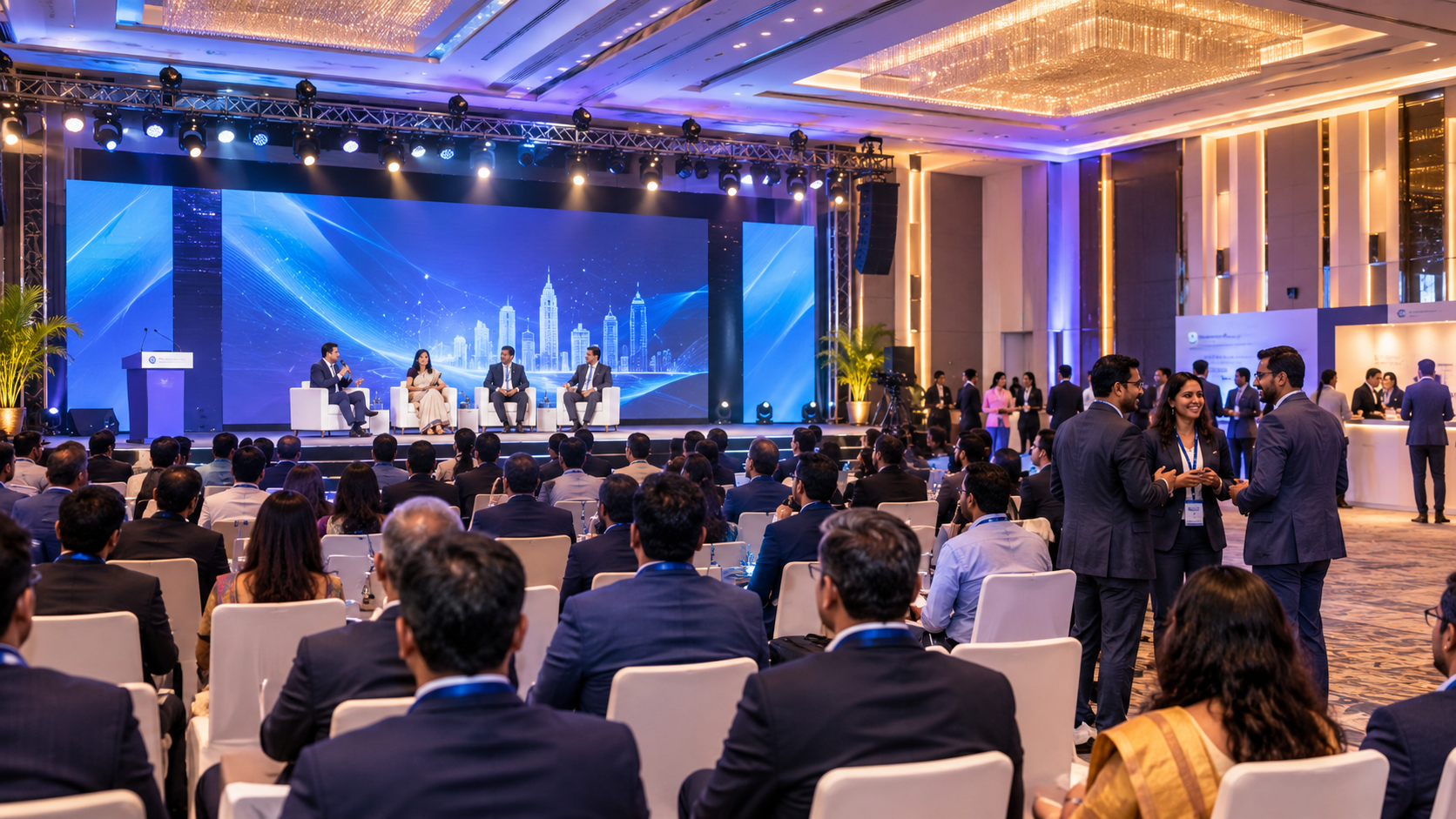
Corporate events have become an important part of how businesses communicate, celebrate achievements, launch products, strengthen relationships and build their brands. From annual day celebrations and leadership conferences to product launches and corporate award ceremonies, a well-planned event can create meaningful experiences for employees, customers, business partners and stakeholders.
However, organising a successful corporate event requires more than booking a venue and arranging a stage. It involves strategic planning, creative concepts, budgeting, logistics, technical production, audience engagement and flawless execution.
This is where professional corporate event management makes a difference.
Whether a company is planning an employee engagement programme, a business conference, a product launch or a large-scale corporate celebration, the right event management partner can turn its objectives into a memorable experience.
What Is Corporate Event Management?
Corporate event management is the process of planning, coordinating and executing events organised by businesses for employees, customers, partners, investors or the public.
It covers every stage of an event, from understanding the business objective and developing a creative concept to selecting the venue, coordinating vendors, managing technical requirements and evaluating the results.
A professional corporate event management company helps businesses create organised, engaging and brand-aligned experiences while reducing the operational pressure on internal teams.
Common types of corporate events include:
- Corporate conferences and business summits
- Annual day celebrations and company anniversaries
- Product launches and brand activations
- Corporate award ceremonies and recognition nights
- Dealer meets and distributor conferences
- Employee engagement programmes and team-building activities
- Leadership meetings and business offsites
- Exhibitions, trade shows and roadshows
- Corporate gala dinners and networking events
- Sales meetings and incentive programmes
Each format requires a different approach based on the audience, budget, objectives and brand identity.
Why Are Corporate Events Important for Businesses?
1. Strengthen Brand Identity
Corporate events provide businesses with an opportunity to communicate their values, vision and personality through a carefully designed experience.
From event invitations and stage backdrops to digital displays, presentations and guest interactions, every detail can reinforce the brand’s identity.
A professionally managed event helps create a consistent and recognisable brand experience.
2. Improve Employee Engagement
Annual celebrations, employee recognition programmes, team-building activities and internal conferences can help employees feel connected to their organisation.
Thoughtfully planned activities create opportunities to recognise achievements, encourage collaboration and communicate company goals.
When employees feel included and appreciated, corporate events can contribute to a more positive workplace culture.
3. Create Memorable Product Launches
A product launch is an opportunity to introduce a product or service in a way that attracts attention and communicates its value.
Professional product launch event management can combine stage design, audiovisual presentations, demonstrations, media interactions, brand storytelling and audience participation to create a cohesive launch experience.
The objective is not simply to reveal a product. It is to help the audience understand why it matters.
4. Build Stronger Business Relationships
Conferences, dealer meets, networking sessions and corporate gatherings bring clients, partners, distributors and decision-makers together.
A well-organised event encourages meaningful conversations, strengthens professional relationships and creates opportunities for future collaboration.
5. Support Marketing and Business Growth
Corporate events can support marketing campaigns, generate business enquiries, improve product awareness and create opportunities for networking.
When an event is aligned with clear business goals, it becomes more than a one-day activity. It can contribute to a broader marketing and communication strategy.
How to Plan a Successful Corporate Event
Step 1: Define Your Event Objectives
Start by identifying what the event needs to achieve.
Is the objective to launch a new product, recognise employees, attract potential clients, introduce a new business strategy or strengthen distributor relationships?
Clear objectives help determine the event format, target audience, creative direction, budget and success metrics.
For example, a product launch may prioritise media coverage and product demonstrations, while an employee engagement event may focus on participation, recognition and team interaction.
Step 2: Identify Your Target Audience
Understanding the audience is essential to designing a relevant experience.
Consider the attendees’ professional backgrounds, expectations, interests and reasons for attending.
A leadership conference may require a formal and focused environment, while a corporate annual day may benefit from entertainment, interactive activities and celebration.
The programme, communication style and venue should reflect the audience.
Step 3: Set a Realistic Budget
A well-defined budget helps the event team allocate resources effectively and avoid unnecessary expenses.
Typical corporate event budget categories include:
- Venue rental and accommodation
- Catering and hospitality
- Stage design and event production
- Sound, lighting and LED screens
- Branding, printing and signage
- Entertainment, speakers and performers
- Guest transportation and logistics
- Photography and videography
- Event staffing and coordination
- Contingency expenses
Request a transparent cost breakdown and clarify what is included in each quotation. The final budget will depend on the event format, location, audience size, production requirements and service scope.
Step 4: Choose the Right Venue
The venue has a significant influence on the overall event experience.
Consider capacity, accessibility, parking, accommodation, technical infrastructure, catering facilities and the availability of breakout spaces.
A product launch may require a venue with strong audiovisual capabilities, while a leadership offsite may benefit from a quieter environment that encourages discussion and collaboration.
Always evaluate the venue against the event’s objectives rather than choosing based on appearance alone.
Step 5: Develop a Creative Concept and Theme
A distinctive concept helps make a corporate event more engaging and recognisable.
The theme should connect with the company’s identity, the event objective and the intended audience.
Creative elements may include customised stage designs, branded environments, immersive lighting, multimedia presentations, interactive installations and thematic guest experiences.
The best creative concepts balance visual impact with practicality and brand relevance.
Step 6: Coordinate Event Production and Logistics
Behind every smooth event is a detailed operational plan.
Professional event production may involve stage construction, audio systems, lighting, LED displays, presentation management, registration counters, guest movement, hospitality coordination and vendor scheduling.
A detailed run sheet should outline the programme, responsibilities, timings and technical cues.
Pre-event briefings, equipment checks and contingency planning help the team prepare for unexpected changes.
Step 7: Keep Attendees Engaged
An effective corporate event gives attendees reasons to participate rather than simply observe.
Depending on the format, engagement opportunities may include live polls, audience Q&A, networking sessions, interactive demonstrations, workshops, recognition moments and entertainment.
Digital registration, QR-based information access and hybrid participation can also improve convenience when appropriate for the audience.
The aim is to create an experience that feels relevant, accessible and well organised.
Step 8: Measure the Results
Event success should be evaluated against the objectives established at the beginning.
Relevant performance indicators may include:
- Registrations and actual attendance
- Attendee satisfaction and feedback
- Participation in sessions and activities
- Qualified leads generated
- Product demonstrations or enquiries
- Partner and client engagement
- Social media reach and content engagement
- Budget adherence
- Follow-up meetings and conversions
Not every event needs the same measurements. A leadership meeting and a public product launch should be assessed differently.
A post-event report can help the business understand what worked, identify areas for improvement and plan future events more effectively.
Corporate Event Management Trends Businesses Should Consider
Corporate event planning continues to evolve as businesses look for more meaningful attendee experiences and better ways to evaluate results.
Experience-Led Event Design
Instead of focusing exclusively on the size of an event, organisers are increasingly considering the quality of the attendee experience. Interactive sessions, purposeful networking and thoughtful programme design can make an event more valuable.
Technology-Enabled Experiences
Digital registration, audience response tools, event apps, live streaming and interactive displays can improve communication and participation when selected for the right purpose.
Hybrid and Digital Event Options
Hybrid formats can help companies reach employees, clients or stakeholders who cannot attend in person. However, they work best when online attendees receive a deliberately designed experience rather than a simple camera feed of the physical event.
Sustainable Event Planning
Businesses can consider digital invitations, reusable branding materials, responsible catering choices, waste reduction and more efficient transport arrangements to reduce the environmental footprint of their events.
Measurable Business Outcomes
Companies increasingly benefit from setting clear event objectives and tracking relevant results. Attendance is useful, but engagement, qualified business conversations, feedback and follow-up outcomes may provide a more complete picture of performance.
The right combination of these approaches depends on the company’s goals, audience and available resources.
Why Hire a Professional Corporate Event Management Company?
Managing a corporate event internally can place considerable demands on marketing, HR, administration and leadership teams.
An experienced event management partner can bring creative planning, vendor coordination, production expertise and on-site operational support together under one plan.
Key advantages include:
End-to-end coordination: Multiple event requirements are managed through a coordinated process.
Creative expertise: Themes, stage designs and event experiences can be developed around the brand and objective.
Time efficiency: Internal teams can focus on their core responsibilities while the event team manages execution.
Production management: Sound, lighting, staging, visual displays and programme cues can be coordinated professionally.
Contingency planning: Potential logistical challenges can be identified and addressed before they disrupt the programme.
Brand consistency: Event materials and experiences can be aligned with the company’s communication guidelines.
When evaluating an event management company, review its relevant experience, portfolio, service scope, vendor coordination process, budget transparency and approach to handling unexpected situations.
How to Choose the Right Corporate Event Planner
Before appointing an event organiser, ask the following questions:
- Have they managed events similar to yours?
- Can they work within your budget and timeline?
- Do they offer the services you need, from concept development to execution?
- How will they coordinate vendors, technical production and event logistics?
- Who will be your main point of contact?
- What contingency plans will they prepare?
- How will they measure and report event performance?
A clear brief and open communication help establish realistic expectations and create a smoother working relationship.
Plan Your Next Corporate Event with Espanio Events
A successful corporate event brings together strategy, creativity, planning and execution to deliver an experience that reflects the organisation’s goals.
Whether you are organising a corporate conference, annual day celebration, product launch, exhibition, roadshow or award ceremony, thoughtful planning can help you create an event that connects with your audience and supports your business objectives.
Espanio Events provides event management services for corporate gatherings, product launches, exhibitions, roadshows and other brand experiences. The team works to transform event concepts into organised, engaging experiences aligned with each client’s requirements.
If your business is planning an upcoming event, begin with a clear objective, a realistic budget and the right event management partner.
Visit Espanio Events to explore its services and discuss your next corporate event.
Frequently Asked Questions About Corporate Event Management
What is corporate event management?
Corporate event management involves planning, coordinating and executing business events such as conferences, product launches, annual days, award ceremonies, exhibitions and employee engagement programmes.
What services does a corporate event management company provide?
Depending on the provider, services may include event concept development, venue selection, budgeting, stage design, audiovisual production, branding, hospitality, entertainment, guest coordination and on-site event management.
How early should a corporate event be planned?
The ideal lead time depends on the event’s size, complexity, venue availability and production requirements. Large conferences, award nights and product launches generally benefit from several months of preparation, while smaller internal gatherings may require less time.
How much does corporate event management cost in India?
Costs vary according to the venue, guest count, location, catering, production, entertainment, travel and service scope. Request an itemised quotation based on your event brief rather than relying on a single standard price.
How can businesses measure corporate event success?
Businesses can measure attendance, engagement, satisfaction, qualified leads, follow-up opportunities, brand reach and budget performance. The most useful metrics depend on the original purpose of the event.
Why should a company hire a professional event planner?
A professional event planner can coordinate creative development, vendors, production and on-site logistics, helping internal teams save time and deliver a more organised event experience.
Make your next corporate event more purposeful, engaging and memorable with Espanio Events.