
How to Plan a Successful Product Launch Event in India: A Complete Guide for Businesses
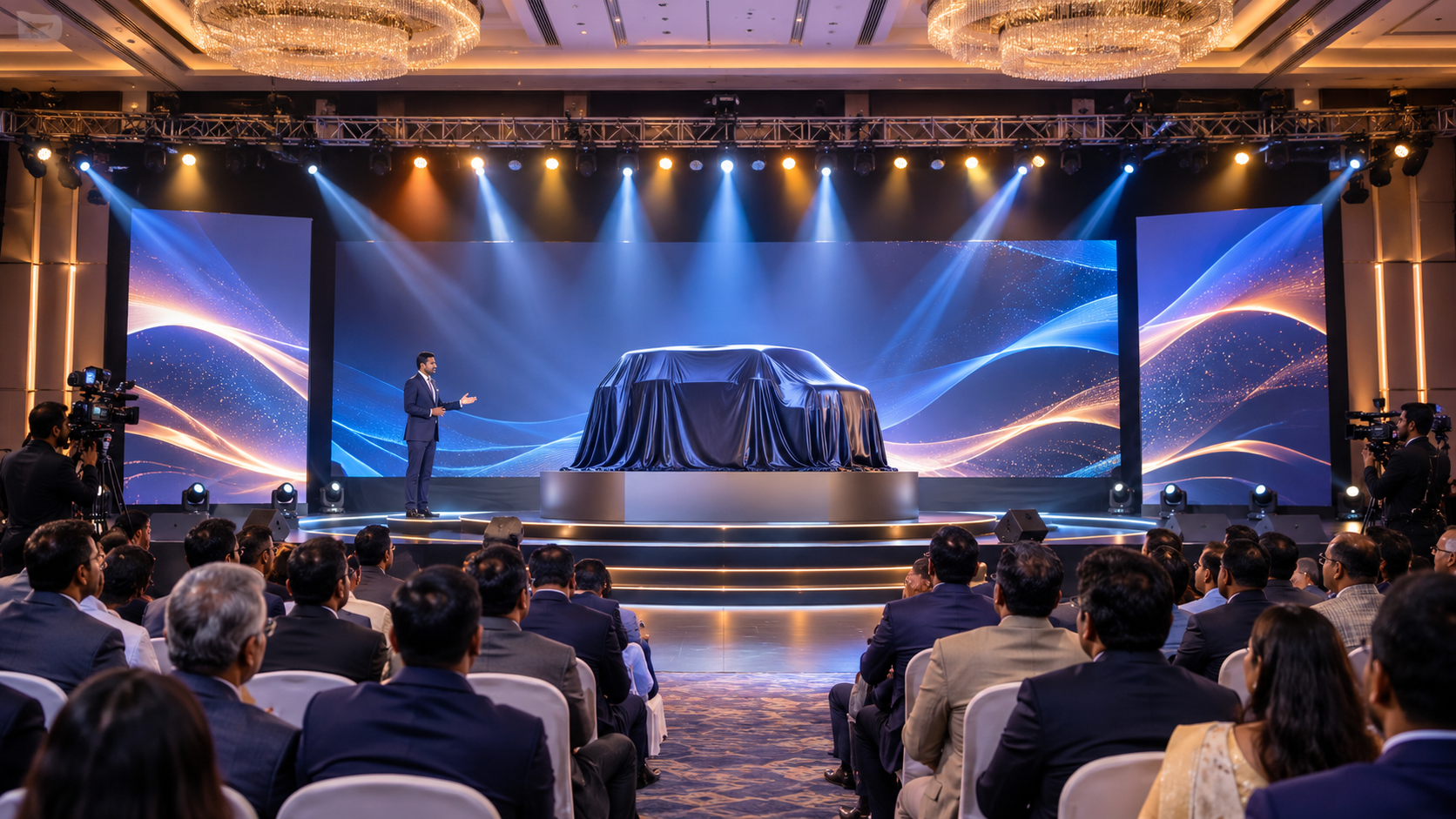
Launching a new product is an important milestone for any business. Whether introducing a new technology, consumer product, service or brand, the way a company presents its offering can influence audience perception, brand recognition and market interest.
In today’s competitive marketplace, simply announcing a new product is not enough. Businesses need to create an experience that captures attention, communicates product value and encourages potential customers to engage with the brand.
This is where professional product launch event management plays an important role.
A well-planned product launch event brings together strategic communication, creative event design, audience engagement and seamless execution. From the first invitation to the final product demonstration, every element should contribute to a consistent and memorable brand experience.
In this guide, we explore how businesses can plan a successful product launch event in India, the essential elements to consider and how professional event management can help bring a launch vision to life.
What Is a Product Launch Event?
A product launch event is a planned marketing activity organised to introduce a new product or service to a target audience.
It provides a platform for businesses to demonstrate product features, communicate benefits, interact with customers, engage media representatives and create awareness around a new offering.
Depending on the product and marketing objectives, a launch may be organised as:
- Corporate product launch ceremonies
- New brand introduction events
- Technology and electronics launches
- Automobile launch events
- Consumer product unveiling ceremonies
- Retail and showroom launch events
- Media and influencer launch events
- B2B product demonstrations
- Digital and hybrid product launch events
Each format requires a different event strategy based on the target audience, product category, brand positioning and available budget.
Why Is a Professional Product Launch Event Important?
A product launch is often the first major opportunity to present a new offering directly to its intended audience.
A professionally managed event can help businesses make that introduction more impactful.
1. Creates Strong First Impressions
First impressions influence how customers perceive a brand and its products.
A carefully designed launch environment, professional presentations, clear communication and engaging demonstrations help establish a positive impression.
From the entrance experience to the product unveiling, every touchpoint contributes to how the audience remembers the launch.
2. Builds Product Awareness
A launch event brings the product directly to customers, media representatives, distributors, business partners and other relevant stakeholders.
Live demonstrations, presentations and interactive sessions allow attendees to understand the product beyond what they might see in a conventional advertisement.
3. Strengthens Brand Positioning
The event’s creative concept, stage design, visual communication and overall atmosphere should reflect the brand’s identity.
For example, a technology launch may benefit from a modern, technology-driven environment, while a premium lifestyle product may require a more refined and experiential presentation.
The event should communicate the product’s positioning consistently.
4. Encourages Customer and Business Engagement
A product launch creates opportunities for direct interaction.
Attendees can explore the product, ask questions, participate in demonstrations and connect with brand representatives.
These interactions can help businesses understand audience expectations and identify potential business opportunities.
5. Generates Marketing and Publicity Opportunities
Product launch events can create content opportunities for social media, digital marketing, public relations and post-event communication.
Professional photography, videos, product demonstrations and media coverage can extend the event’s visibility beyond the venue.
The most effective approach is to plan these content requirements before the event rather than treating them as an afterthought.
10 Essential Steps to Plan a Successful Product Launch Event
Step 1: Define Your Product Launch Objectives
Before planning begins, identify exactly what the business wants to achieve.
Common objectives include:
- Introducing a new product to the market
- Building brand awareness
- Generating qualified customer enquiries
- Attracting media attention
- Engaging distributors and business partners
- Demonstrating product features
- Supporting sales and marketing campaigns
The event format and budget should be developed around these objectives.
Step 2: Identify Your Target Audience
A product launch should be designed for the people who matter most to the product’s success.
Your target audience may include:
- Existing and potential customers
- Business owners and decision-makers
- Distributors and retailers
- Media representatives
- Influencers and industry professionals
- Investors and business partners
- Employees and internal stakeholders
Understanding the audience helps determine the venue, event format, programme, communication and engagement activities.
Step 3: Select the Right Event Format
Not every product needs a large-scale launch ceremony.
Choose a format that suits the product, audience and marketing objective.
Corporate launch: Suitable for introducing products to business partners, clients and stakeholders.
Experiential launch: Allows attendees to interact with and experience the product.
Media launch: Focuses on product announcements, press interactions, demonstrations and publicity.
Retail launch: Introduces products directly to customers through showroom or retail experiences.
Hybrid launch: Combines an in-person event with online participation to reach a wider audience.
The right format should deliver value to attendees while supporting the business objective.
Step 4: Establish a Realistic Event Budget
Budget planning is essential for controlling expenses and prioritising important event requirements.
Typical product launch expenses include:
- Venue rental
- Stage design and fabrication
- LED screens and audiovisual equipment
- Lighting and sound production
- Branding and promotional materials
- Catering and hospitality
- Guest management and registration
- Photography and videography
- Entertainment and presenters
- Transportation and logistics
- Event staffing and coordination
- Contingency expenses
The final investment depends on the event’s location, scale, guest count, production requirements and service scope.
Request an itemised quotation to understand the complete cost structure.
Step 5: Choose a Suitable Venue
The venue should complement the product and provide a convenient experience for attendees.
Important factors include:
- Location and accessibility
- Seating capacity
- Parking facilities
- Stage and production possibilities
- Sound and lighting infrastructure
- Power backup
- Catering arrangements
- Guest registration space
- Media and networking areas
For products requiring live demonstrations, ensure the venue has sufficient space and technical facilities.
Step 6: Develop a Creative Launch Theme
A strong creative concept makes the launch more distinctive and memorable.
The theme should communicate the product’s personality and brand positioning.
Creative elements may include:
- Customised stage backdrops
- LED screen presentations
- Product unveiling concepts
- Thematic entrance installations
- Immersive lighting
- Interactive product displays
- Branded photo opportunities
- Digital and multimedia experiences
The objective is to create a consistent visual identity throughout the event.
Step 7: Plan the Product Unveiling Experience
The product unveiling is often the central moment of a launch event.
It should be carefully coordinated to build anticipation and communicate the product’s value.
Depending on the launch concept, the unveiling may involve a live presentation, countdown, reveal mechanism, audiovisual sequence or product demonstration.
Ensure the product is clearly visible and that the technical team is prepared to execute the moment without interruptions.
Step 8: Incorporate Audience Engagement Activities
An engaging product launch gives attendees opportunities to participate.
Consider including:
- Live product demonstrations
- Interactive display zones
- Product testing opportunities
- Audience Q&A sessions
- Expert presentations
- Networking sessions
- Digital polls and feedback
- QR-based product information
These activities can help attendees develop a better understanding of the product.
Step 9: Promote the Event Before and After the Launch
Event promotion should begin well before the actual launch date.
A coordinated promotional strategy may include:
Pre-event promotion: Digital invitations, teaser campaigns, email communication, social media announcements and media outreach.
During the event: Live updates, event photography, short-form videos, product demonstrations and audience interactions.
Post-event promotion: Highlight videos, event photographs, media coverage, product information and follow-up communication.
This approach helps extend the marketing value of the launch beyond the event day.
Step 10: Measure the Event’s Performance
The success of a product launch should be evaluated against its original objectives.
Useful performance indicators include:
- Number of registrations
- Actual attendee participation
- Product demonstrations completed
- Customer enquiries generated
- Qualified business leads
- Media coverage and publicity
- Social media reach and engagement
- Audience feedback
- Follow-up meetings
- Sales opportunities and conversions
A post-event report helps businesses understand the outcome and identify improvements for future marketing activities.
Common Product Launch Event Mistakes to Avoid
Even a well-funded product launch can face challenges without proper planning.
Here are some common mistakes businesses should avoid.
1. Unclear event objectives: Without a defined purpose, the event may become visually impressive but commercially ineffective.
2. Choosing the wrong venue: A venue that does not support the audience size or technical requirements can affect the entire experience.
3. Overlooking technical rehearsals: Sound, lighting, presentations and product demonstrations should be tested before guests arrive.
4. Ignoring audience engagement: Long presentations without interaction can reduce attendee interest.
5. Poor time management: Unplanned programme changes and delays can disrupt the event schedule.
6. Neglecting post-event marketing: Failing to reuse event content means missing opportunities to extend product visibility.
7. Inadequate contingency planning: Backup arrangements for technical issues, programme changes and logistical challenges are essential.
The Role of Technology in Modern Product Launch Events
Technology is changing how businesses introduce products and engage audiences.
Some useful applications include:
LED visual experiences: Large-format displays can support product presentations, brand storytelling and unveiling sequences.
Interactive technology: Touchscreens, digital demonstrations and interactive installations can encourage product exploration.
Live streaming: Online broadcasting can help brands reach audiences beyond the physical venue.
Digital registration: Online registration and QR-based check-ins can simplify attendee management.
Event content creation: Professional photography and videography can generate marketing assets for future campaigns.
Technology should always serve the event’s purpose. The best implementation is one that makes the product easier to understand and the experience more engaging.
Why Choose a Professional Product Launch Event Management Company?
Planning a product launch involves coordinating creative, technical and operational requirements simultaneously.
An experienced event management partner can help businesses manage these responsibilities through a structured process.
Key advantages include:
- Creative concept development
- Venue identification and coordination
- Stage design and event production
- Audiovisual and lighting management
- Branding and promotional execution
- Vendor and logistics coordination
- Guest management and hospitality
- On-site event supervision
- Technical rehearsals and contingency planning
When selecting a product launch event management company, review its portfolio, relevant event experience, service capabilities, communication process and budget transparency.
A well-defined partnership helps ensure that the launch experience remains aligned with the brand’s objectives.
Make Your Next Product Launch Memorable with Espanio Events
A product launch is an opportunity to introduce something new, communicate a brand’s vision and create meaningful connections with the audience.
At Espanio Events, the focus is on creating engaging event experiences through thoughtful planning, creative concepts and coordinated execution.
Whether your business is introducing a new product, unveiling a brand, organising a corporate launch or planning a promotional event, the right event strategy can help bring your vision to life.
A successful product launch requires more than creative ideas. It involves strategic planning, professional coordination and seamless execution, just like any other aspect of corporate event management.
From concept development and event production to guest experiences and on-ground coordination, every element contributes to a successful launch.
Planning your next product launch in India?
Visit Espanio Events to explore event management services and discuss your upcoming event requirements.
Make your product launch more than an announcement. Make it an experience.
Frequently Asked Questions About Product Launch Event Management
1. What is product launch event management?
Product launch event management involves planning and executing events to introduce a new product or service to customers, media, business partners and other stakeholders.
2. How do you plan a successful product launch event?
Start by defining objectives, identifying the audience, selecting an event format, preparing a budget, choosing a venue, developing a creative concept, coordinating production and planning post-event marketing.
3. How much does a product launch event cost in India?
The cost depends on the venue, guest count, event location, stage design, audiovisual production, catering, branding and other requirements. A customised quotation is the best way to estimate the investment.
4. How early should a product launch event be planned?
The preparation period depends on the event’s scale and complexity. Large corporate launches generally benefit from several months of preparation, while smaller product introductions may require a shorter planning period.
5. What are the important elements of a product launch event?
Key elements include a clear event objective, suitable venue, creative theme, professional stage production, product unveiling, engaging demonstrations, guest coordination and effective event promotion.
6. Why hire a professional product launch event organiser?
A professional organiser can coordinate event planning, production, branding, technical requirements, logistics and on-site execution, helping businesses deliver a more structured and engaging launch experience.
7. Can a product launch event be organised for a small business or startup?
Yes. Product launch events can be customised for businesses of different sizes. A focused, well-planned event with the right audience and suitable budget can be effective without requiring a large-scale production.
Looking to introduce your next product with impact? Partner with an event management team that understands the importance of every detail.
November 2, 2026 5:45 am /
[…] product launch event management can combine stage design, audiovisual presentations, demonstrations, media interactions, brand […]